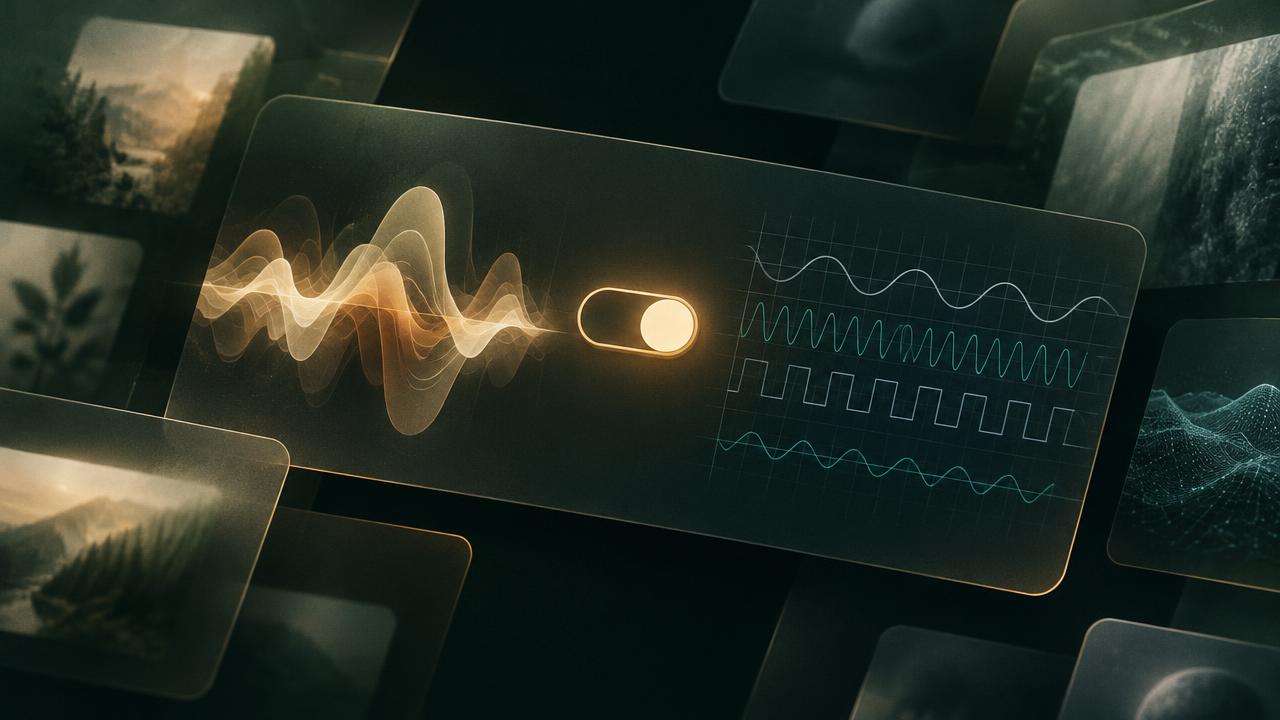
Deezer is giving listeners a hard off switch for fully AI-generated music. On Tuesday, 13 October 2026, the French streaming service said it will introduce a global on/off toggle before the end of 2026 so users can keep fully AI-made tracks out of search — and, in the company’s words, “remove fully AI-generated music completely from their streaming experience.” Music Business Worldwide and Digital Music News reported the announcement the same day.
What the toggle does
With the toggle switched on, Music Business Worldwide reports that AI-generated tracks, albums and their related artists will not appear when users search on Deezer. Switching it off restores access. Deezer already removes tracks it detects as fully AI-generated from algorithmic recommendations and keeps them out of editorial playlists. The new control extends that filter into search and the wider listening experience for anyone who wants it.
Digital Music News notes one open question: how Deezer will draw the line between fully AI-generated audio and AI-assisted human work. The company’s public framing focuses on fully AI-generated music.
The scale Deezer says it is seeing
- Nearly 90,000 fully AI-generated tracks arrive every day, Deezer says — up from about 10,000 a day when its detection tool launched in January 2025.
- On peak days, fully AI-generated tracks can account for more than 50% of all new music delivered to Deezer, while generating only about 1% to 3% of streams.
- Between January 2025 and August 2026 the company says it detected more than 42 million AI-generated tracks and excluded them from algorithmic and editorial recommendations.
- More than 14 million albums have been tagged since Deezer began explicitly labelling AI-generated music in June 2025.
Deezer argues that the primary purpose of uploading much of this material is fraudulent. It says up to 85% of streams from fully AI-generated tracks in 2025 were fraudulent, and that it excludes manipulated streams from royalty payments. In July it said it would start taking down AI-generated tracks used for streaming fraud, along with AI tracks that had gone unstreamed for six months or more.
Why Deezer says listeners want the filter
CEO Alexis Lanternier framed the toggle as transparency and choice. Music Business Worldwide quotes him: “We’ve seen a clear user demand for the ability to filter out AI-generated music, and we are now giving everyone the option to remove this content completely from their streaming experience on Deezer, and focus only on human creators and creations, if they wish.”
Deezer pointed to an Ipsos survey it commissioned, published in November 2025: 45% of music streaming users said they would like to filter out 100% AI-generated music. The same study of 9,000 people across eight countries found that 97% of respondents could not tell fully AI-generated music from human-made music in a blind test.
How other platforms handle AI music
Deezer’s move sits alongside other DSP policies reported in 2026. TIDAL said in June it would tag fully AI-generated music and stop paying royalties on it. Qobuz announced detection and tagging in February. Apple Music launched a tagging system in March that relies on labels and distributors to declare AI content, and told partners on 20 August that “Made With AI” labels would appear to listeners later this year. Spotify began testing AI tags in song credits in April where artists disclose AI use, and in August said it would label AI-generated artist profiles as “AI Personas” from mid-September and keep their music out of editorial and algorithmic recommendations by default.
Deezer also says its detection tool can identify music made with generative models including Suno, Udio and Riffusion (the predecessor to Google-owned ProducerAI), and that it has licensed the technology to the wider industry since January, with French collecting society Sacem as its first partner.
Why it matters
For listeners
This is one of the clearest consumer controls yet: not only labelling AI music, but letting people hide it. That matters if you want a catalogue that feels human-made without relying on your own detective work — especially when blind tests suggest most people cannot hear the difference.
For AI music creators
If major DSPs keep AI-generated tracks out of search, recommendations and editorial, discovery shifts toward places where listeners choose to engage with disclosed AI music — including vote-driven charts like Dizy’s — or toward licensed, labelled hybrid work once platforms define those rules more clearly.
For the industry
Deezer’s daily upload numbers show how fast generative music can flood intake pipelines even when it barely moves streams. Combined with DistroKid’s recent UMG-related takedowns and label fights over training licences, the streaming layer is moving from detection alone toward user-facing filters and fraud enforcement.
Following AI music on Dizy
Artists declare whether their music is AI-assisted or AI-generated when they submit to Dizy, so you can see how disclosed AI tracks land with listeners on the Overall Top 40 and New releases. For related audience and distribution stories, see 65% of Canadians Dislike Fully AI-Generated Music and DistroKid’s UMG-related takedowns.
Sources
Digital Music News: Deezer unveils AI blocking feature (13 October 2026)
Billboard: DistroKid removes songs amid UMG AI-slop lawsuit (October 2026)
Billboard Canada: Canadians dislike AI-generated music — Signal Hill (8 October 2026)

