AI music went from occasional novelty to weekly chart news in 2025. Billboard reported at least six AI or AI-assisted artists debuting across its rankings in a short window, and a streak of weeks with new AI debuts. The trend is accelerating — and, because AI involvement isn’t always disclosed, it’s genuinely hard to count.
For fans, that creates a reading problem. Every week there’s a new headline saying an AI act "hit the charts." Which charts? Measuring what? This guide breaks it down in plain English so you can read these stories the way people have always read the Top 40: as a snapshot of culture, not just a scoreboard.
The main chart types, explained
Digital Song Sales
Counts paid downloads of individual songs. Because very few people buy downloads now, these charts can be topped with a few thousand purchases. They’re useful for spotting motivated fan bases, but they say little about everyday listening.
Hot Songs and genre Hot charts
Charts like the Hot 100, Hot Country Songs, Hot R&B Songs and Hot Gospel Songs blend streaming, radio airplay and sales into one ranking. They are the closest thing to an all-round popularity measure, and much harder to move with a small audience.
Streaming Songs
Ranks songs by on-demand streams. Streaming reflects repeat listening, but it is strongly influenced by playlist placement, which can create big spikes that fade quickly.
Airplay
Measures radio spins weighted by audience size. Getting on radio requires programmers to choose a song, so airplay is a slow, high-trust signal.
Emerging Artists
Highlights developing acts based on overall activity. It’s often the first Billboard ranking where a new name, AI-assisted or not, shows real momentum.
DSP viral and playlist charts
Streaming platforms publish their own viral and top charts. These capture buzz and sharing, which is great for spotting trends early but volatile week to week.
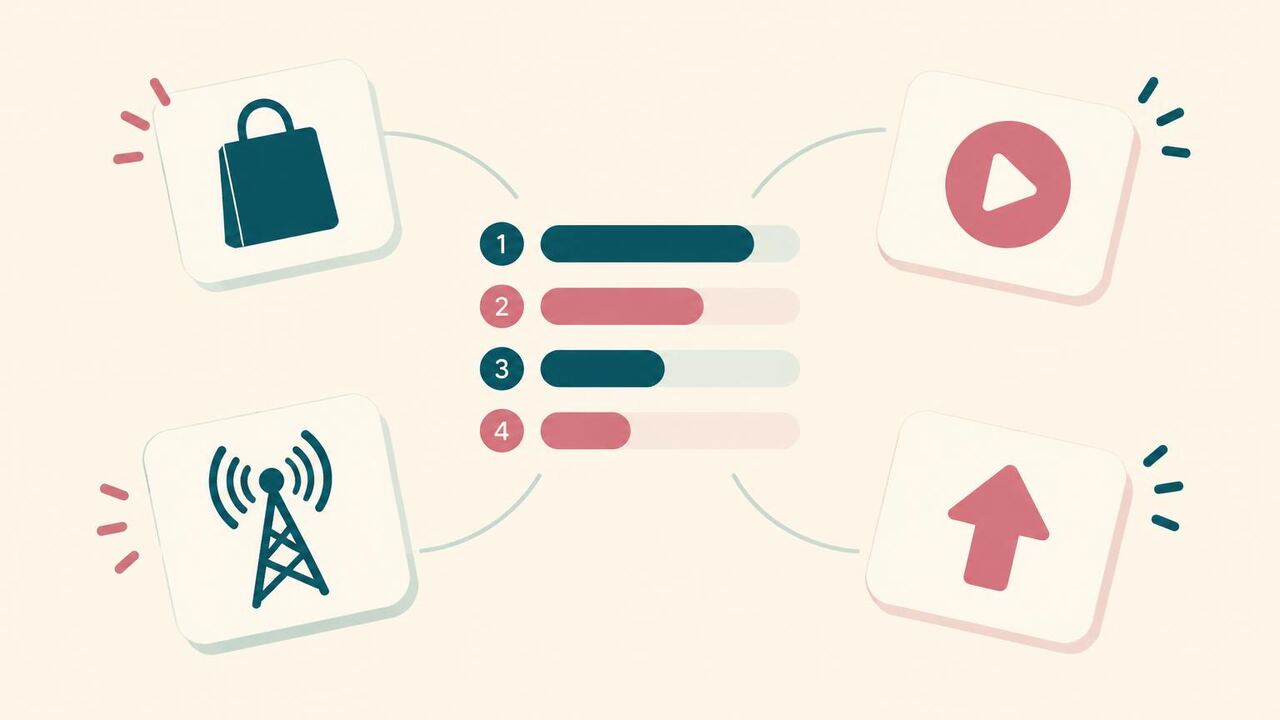
Four case studies, four lessons
- Breaking Rust — the sales headline. "Walk My Walk" topped Country Digital Song Sales with roughly 2,000-plus downloads, not Hot Country Songs. Lesson: always check which chart.
- Cain Walker — the multi-track presence. Several songs in the same Country Digital Song Sales top 15. Lesson: clusters matter more than single spikes.
- Xania Monet — the airplay first. Debuted on Adult R&B Airplay after gospel and R&B Hot chart runs. Lesson: radio is a different, harder gate.
- The Velvet Sundown — the playlist cliff. Big Spotify surge, then steep weekly declines. Lesson: playlist hype isn’t staying power.
Read the full stories: Breaking Rust’s "Walk My Walk", Cain Walker’s AI country surge, Xania Monet’s airplay first and The Velvet Sundown vs Xania Monet.
No single chart is the truth. The cultural Top 40 is what you see when several of them point the same way.
Why the Top 40 framing still matters
The original Top 40 radio format turned charts into shared culture: everyone heard roughly the same songs and argued about the same countdown. Today listening is fragmented across apps, algorithms and feeds, and no single chart captures everything. That’s exactly why reading charts carefully matters more, not less.
When an AI song breaks through, the chart placement becomes the story people repeat at work or online. If the placement came from a niche downloads chart, the conversation can drift far from reality. If it came from airplay or a multi-metric chart, it probably reflects broader listening. Knowing the difference lets you join the conversation without overhyping or dismissing what is happening.
It also helps to separate two questions that often get blurred: is this song popular, and is this song good? Charts can only answer the first, and only partly. Your own ears — and the choices of other listeners — are still the best guide to the second.
A quick checklist for the next headline
- Which chart is it, and what does it measure?
- How big are the underlying numbers?
- Is the song on more than one kind of chart?
- Does it hold position after the news cycle fades?
- Who is behind the project, and how is AI involved?
Run any AI chart headline through those five questions and you will usually know within a minute whether you are looking at a niche sales spike, a playlist burst, a radio breakthrough or a genuinely broad hit. That habit is the single best defence against both hype and knee-jerk dismissal, and it works just as well for human artists as it does for AI ones.
It also makes the weekly chart news more fun to follow. Instead of treating every headline as a verdict on AI music, you can watch the trend unfold chart by chart and decide for yourself which songs earn a lasting place.
What Dizy adds
Dizy is a people-first companion to industry charts. Every week we publish an Overall Top 40, genre charts, and a Top 100, all ranked by chart points. Each signed-in listener gets a small weekly allowance of votes and can upvote a track once, so rankings reflect deliberate choices rather than passive plays, store purchases or playlist placement.
Want to find songs before they chart anywhere? Browse New releases, newest first. Making music yourself? Submit a track — it’s free, and listeners decide where it lands.

